 By Keith Bell
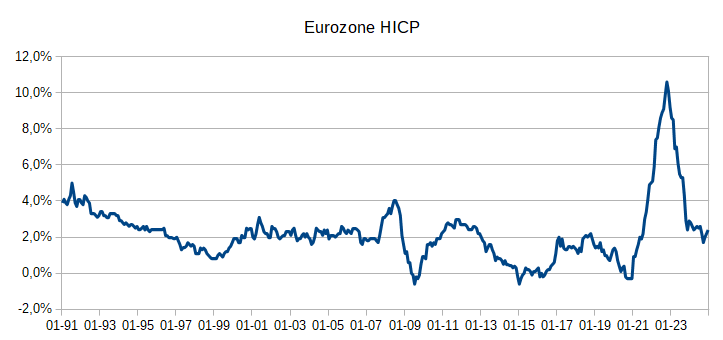
eurozone CPI is set to be released this week, and it holds significant importance for understanding economic trends in the region. Market participants are keenly awaiting this data.
Understanding Eurozone CPI
The Eurozone Consumer Price Index (CPI) serves as a crucial measure of inflation and reflects the overall economic health of the region. It tracks the changes in prices paid by consumers for a basket of goods and services, providing insights into purchasing power and consumer behavior.
Understanding the Eurozone CPI involves recognizing several key components:
- Core Inflation: This excludes volatile items such as food and energy prices, offering a clearer picture of underlying inflation trends.
- Monthly Changes: The CPI is released monthly, which allows economists and policymakers to respond swiftly to shifts in inflation rates.
- Comparison with Other Indicators: While the Eurozone CPI is significant, it should be analyzed alongside other economic indicators for a comprehensive understanding.
In conclusion, the Eurozone CPI remains a vital tool for assessing economic stability and guiding monetary policy decisions.
What to Expect from the US Jobs Report
The upcoming US jobs report is anticipated to provide critical insights into the economic landscape, particularly in relation to the eurozone CPI trends. Analysts expect that the data will reveal the strength of the labor market, which is a key factor in shaping monetary policy decisions.
Key indicators to watch for include:
- Non-farm payrolls: A significant increase may suggest a robust economy, while a decline could raise concerns.
- Unemployment rate: Stability or a decrease in this figure will likely reinforce confidence in economic growth.
- Wage growth: Rising wages could fuel inflation, affecting the eurozone CPI and influencing central bank strategies.
Investors and policymakers alike will be closely monitoring these metrics, as they can have profound implications for both the US economy and the broader eurozone economic outlook.
Salesforce Earnings: Key Insights
In the financial landscape, Salesforce’s recent earnings report is eagerly anticipated, particularly in the context of the eurozone CPI. Analysts are keen to understand how the company has navigated a fluctuating economic environment and whether its performance can provide insights into broader economic trends.
Key insights from Salesforce’s earnings report may include:
- Revenue Growth: Observers will look for indications of sustained revenue increases, particularly in its cloud services.
- Guidance for Future Quarters: Expectations for future earnings can affect market sentiment, especially in relation to inflation trends.
- International Exposure: How Salesforce’s performance in Europe may correlate with shifts in the eurozone CPI could indicate the health of the tech sector.
- Cost Management Strategies: Insights into how the company is managing expenses during inflationary pressures will be critical.
These elements will not only shape Salesforce’s outlook but also reflect the broader economic context influenced by the eurozone CPI.
Impact of CPI on Market Sentiment
The Consumer Price Index (CPI) in the eurozone plays a crucial role in shaping market sentiment. Investors closely monitor eurozone CPI data as it provides insights into inflation trends and overall economic health. A rising CPI often signals potential interest rate hikes by the European Central Bank, leading to increased borrowing costs. Conversely, a declining CPI might indicate economic stagnation, which can dampen investor confidence.
Market responses to eurozone CPI announcements can be significant. Traders adjust their strategies based on inflation expectations, influencing stock prices, currency values, and bond yields. Additionally, sectors such as consumer goods and energy are particularly sensitive to inflation metrics.
In summary, eurozone CPI not only reflects the purchasing power of consumers but also serves as a barometer for economic stability, impacting investment decisions and broader financial markets.
Analyzing Economic Trends in the Eurozone
As analysts closely monitor the economic landscape, understanding the Eurozone CPI becomes increasingly vital. This indicator not only reflects inflationary pressures but also provides insight into consumer spending and overall economic health.
Recent trends suggest that fluctuations in the Eurozone CPI can signal shifts in monetary policy, which may subsequently influence investment decisions across the region. Economists are particularly focused on the following factors:
- Consumer Demand: A rise in CPI often indicates increased consumer spending, a key driver of economic growth.
- Central Bank Policies: Changes in CPI can lead to adjustments in interest rates, impacting borrowing costs.
- Global Influences: External economic conditions, such as energy prices, can also affect the Eurozone CPI, showcasing its interconnectedness with the global economy.
In summary, the Eurozone CPI serves as a crucial barometer for evaluating economic performance and guiding policy decisions.
How Eurozone CPI Affects Global Markets
The Eurozone Consumer Price Index (CPI) plays a crucial role in shaping global markets by influencing investor sentiment and policy decisions. When the Eurozone CPI shows unexpected fluctuations, it can trigger significant reactions in various asset classes.
For instance, a higher-than-expected Eurozone CPI may lead to speculation about tighter monetary policy from the European Central Bank, which can strengthen the euro against other currencies. Conversely, a lower CPI could signal economic weakness, prompting investors to shift their focus to safe-haven assets.
Moreover, the Eurozone CPI is closely monitored by international investors, as it often sets the tone for global inflation trends. This interconnectedness means that changes in the Eurozone’s inflation rates can ripple through stock markets, bond yields, and commodities worldwide.
As central banks across the globe respond to these indicators, the Eurozone CPI remains a vital metric for anyone tracking economic health and market dynamics.
Preparing for a Volatile Week Ahead
As markets brace for a volatile week ahead, attention is sharply focused on the upcoming eurozone CPI report. This key indicator is expected to shed light on inflation trends and economic stability in the region.
Analysts warn that fluctuations in consumer prices can lead to significant market reactions, influencing central bank policies and investor sentiment.
Key events to watch include:
- Eurozone CPI Release: Scheduled for later this week, the data will provide insights into the region’s inflationary pressures.
- US Jobs Report: Coinciding with the eurozone CPI, this report may impact global market dynamics.
- Salesforce Earnings: Earnings from this tech giant could further influence investor confidence.
With these factors in play, stakeholders are keenly assessing how the eurozone CPI will affect both regional and global economic outlooks.
By MartinD via Openverse
References
Related stories
- Mohammed Shami fitness: Proven strategies to stay in shape
- Prediction Markets Explained: The Best Simple Guide
- RCB Decision on Jacob Bethell: A Surprising Move Worth Analyzing